Film

Film Institute at Hi-Desert Cultural Center

The Radical Practice of Listening

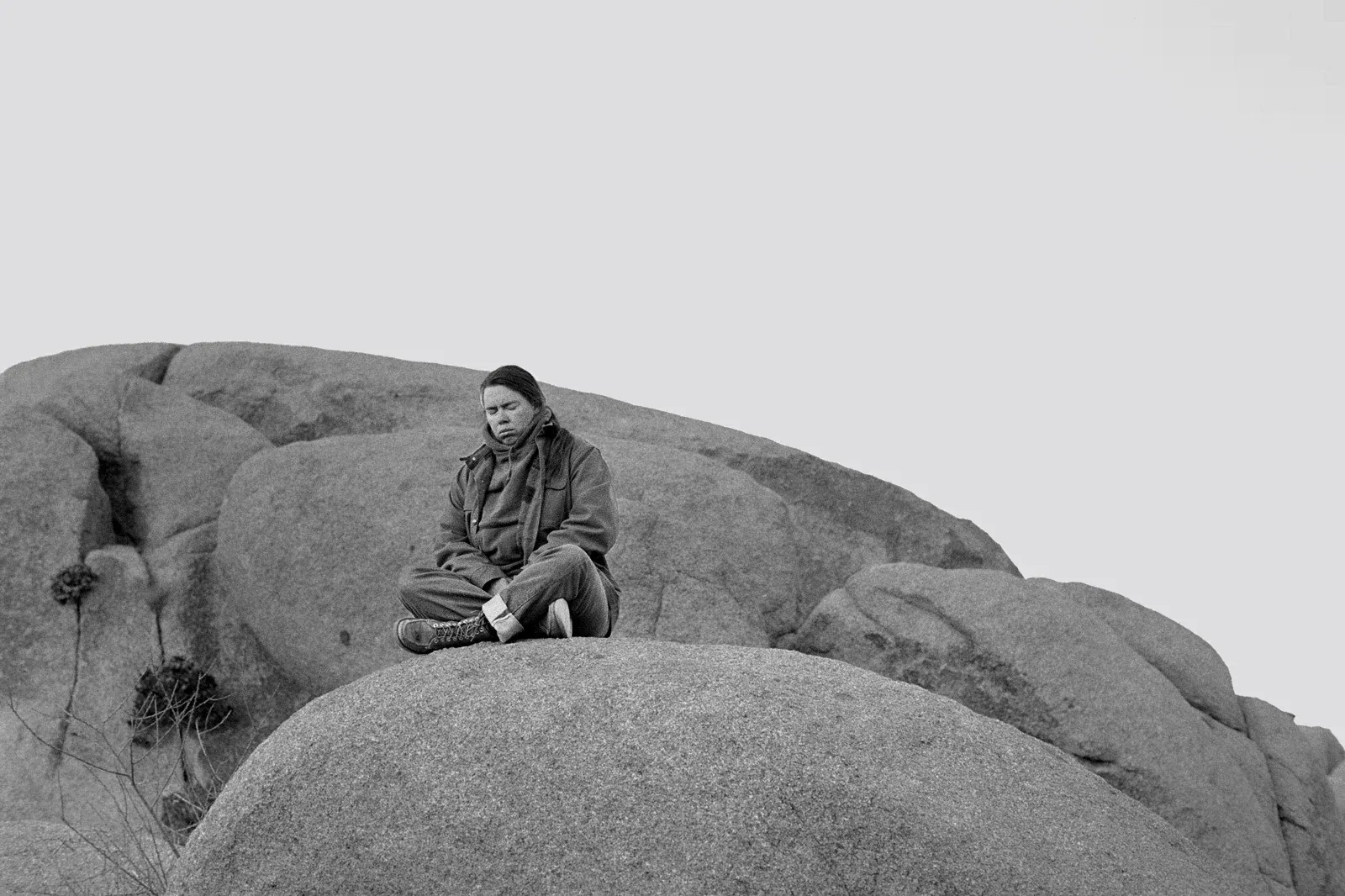
The film, Deep Listening: The Story of Pauline Oliveros, emphasizes something that feels especially urgent now; Oliveros’s belief that listening can be healing—not in a shallow, slogan-like way, but in the practical way that true listening reduces violence and restores healthy curiosity, as it makes room for complexity, diversity, and difference. The director calls her message one of “healing, unity and unbridled creative expression,” and the film treats that message not as sentimental inspiration, but as a discipline. Oliveros’s listening wasn’t naive. It didn’t pretend the world was already harmonious. It insisted that harmony—real harmony—requires attention, patience, and relationship.

The Radical Practice of Listening Read More »

Dreaming in Black and White: Control with Producer Orian Williams in Joshua Tree

Control stands apart from most music biopics because it refuses to turn Curtis into a simple icon or legend. Instead of building toward a triumphant performance or a tidy moral, the film lingers on the small spaces where Curtis’s life actually unfolded–small homes, rehearsal rooms, backstage hallways, and hospitals.

Dreaming in Black and White: Control with Producer Orian Williams in Joshua Tree Read More »

Kenneth Anger’s “Lucifer Rising” and the Ritual of Becoming

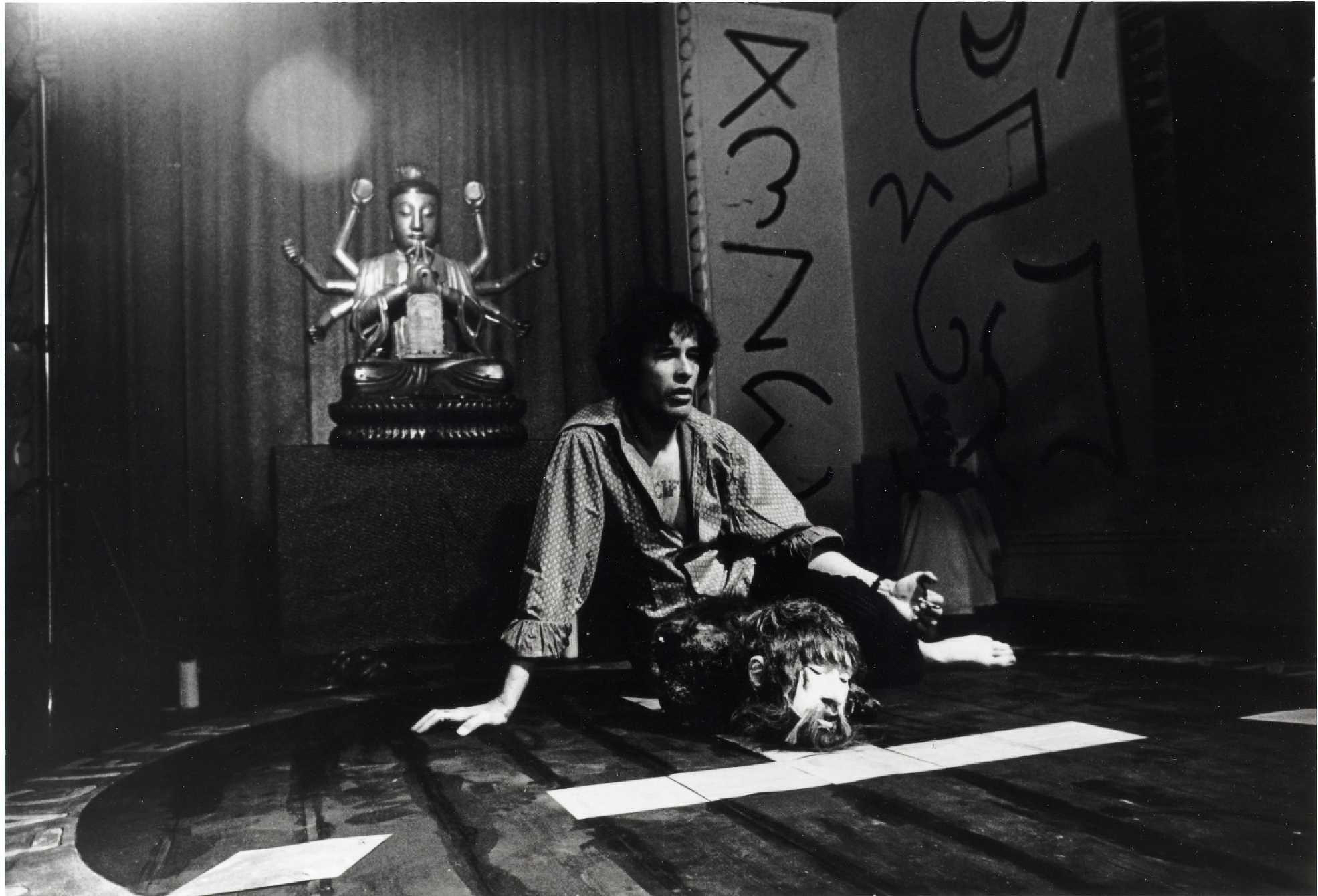
Kenneth Anger considered cinema not as storytelling but as an act of Magick in the tradition of Aleister Crowley’s “art and science of causing change in accordance with one’s will.” The film is not meant to explain itself. Its creator believed that meaning, like ritual, is experiential; it is something the viewer feels, not interprets.

Kenneth Anger’s “Lucifer Rising” and the Ritual of Becoming Read More »

Lost, Lost, Lost: Michelangelo Antonioni’s Blow-Up and The Swinging Sixties

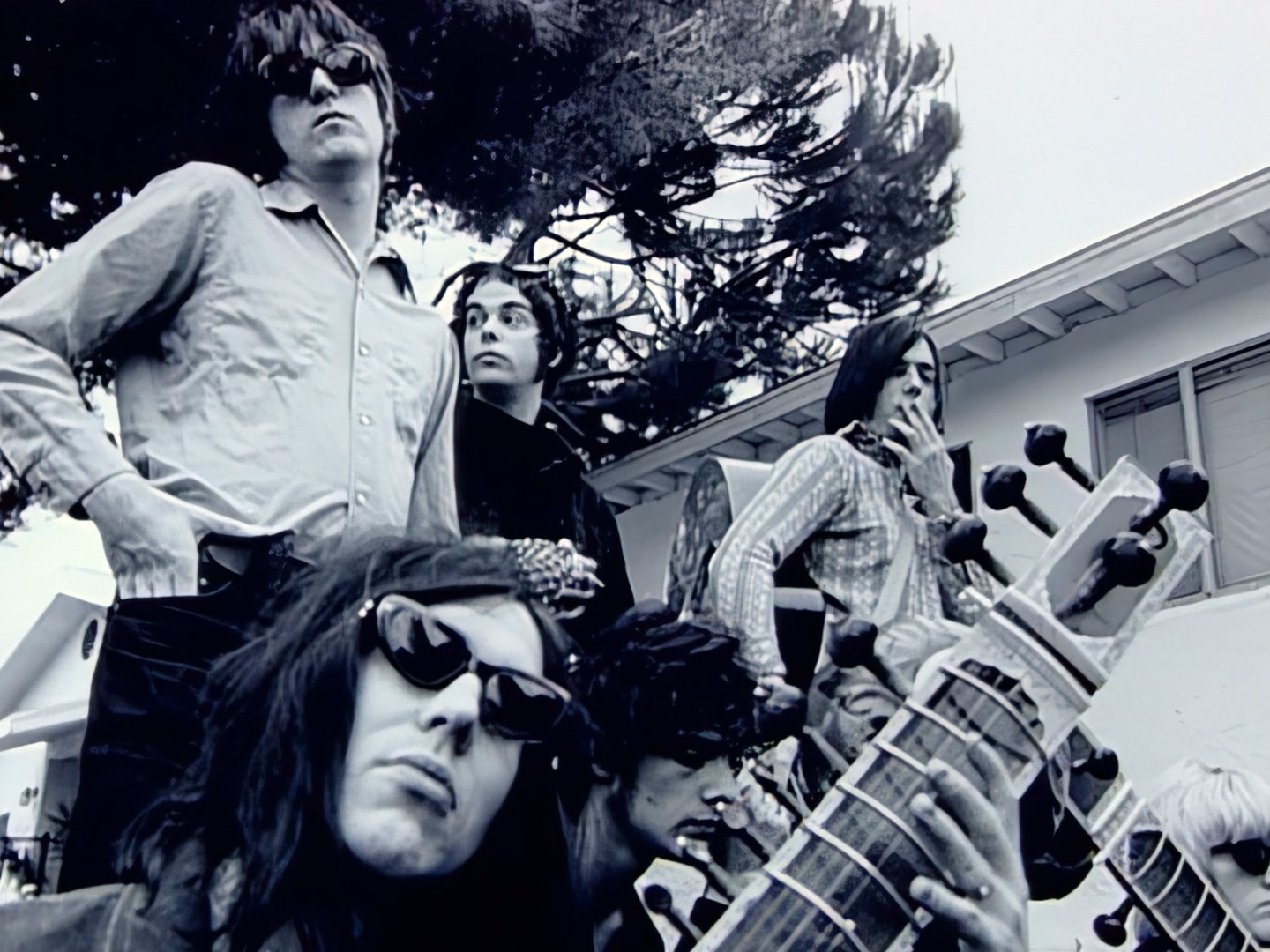
The American film director William Friedkin, a devotee who introduced Blow-Up to audiences numerous times over the course of his life, described the film as “a mystery without a solution.” The struggle to reconcile image and reality is part of why Blow-Up resonated so strongly with audiences in 1967. Unsettled and searching, Thomas presents as an archetypal lost soul of the era.

Lost, Lost, Lost: Michelangelo Antonioni’s Blow-Up and The Swinging Sixties Read More »