


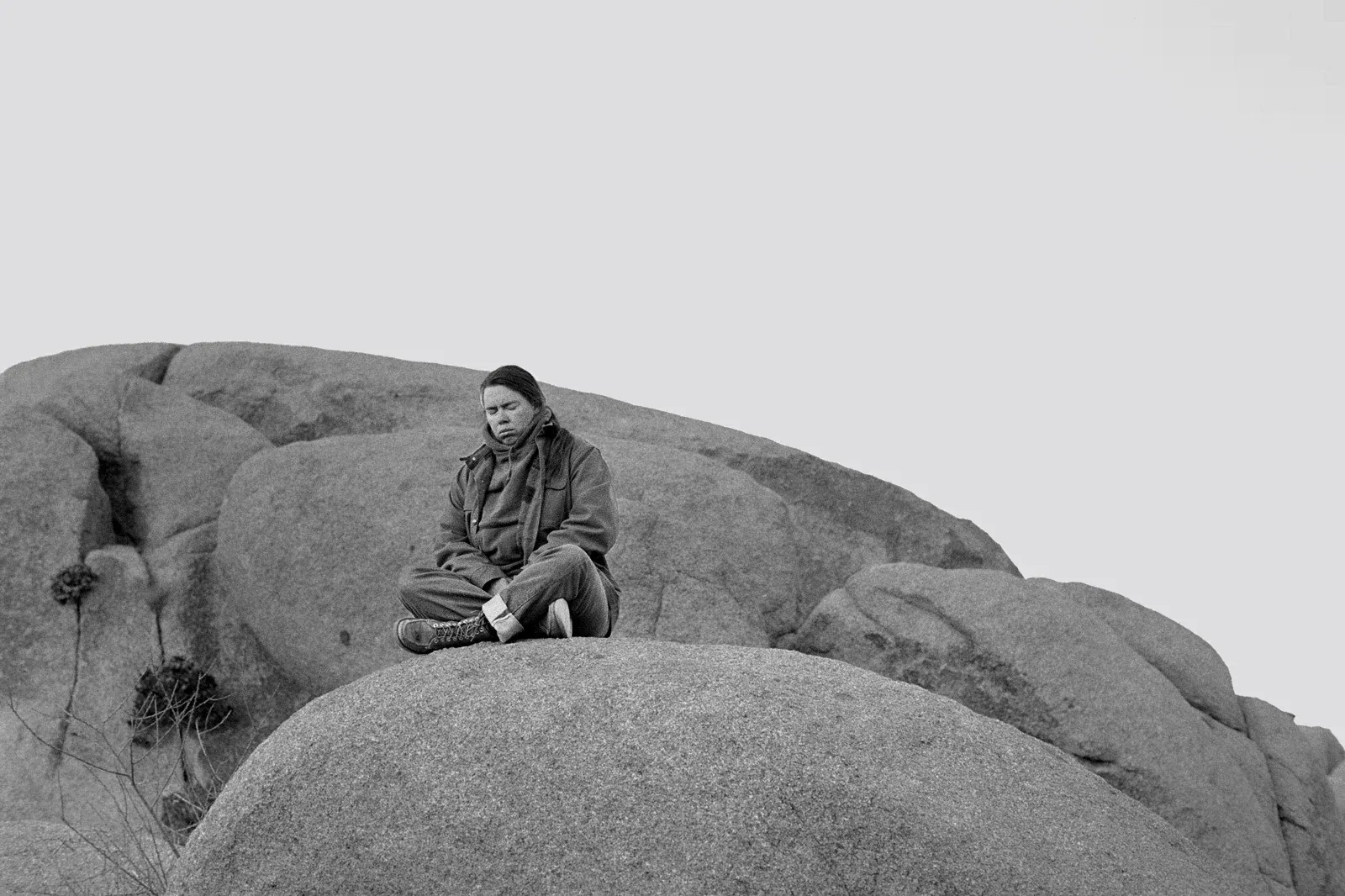
The film, Deep Listening: The Story of Pauline Oliveros, emphasizes something that feels especially urgent now; Oliveros’s belief that listening can be healing—not in a shallow, slogan-like way, but in the practical way that true listening reduces violence and restores healthy curiosity, as it makes room for complexity, diversity, and difference. The director calls her message one of “healing, unity and unbridled creative expression,” and the film treats that message not as sentimental inspiration, but as a discipline. Oliveros’s listening wasn’t naive. It didn’t pretend the world was already harmonious. It insisted that harmony—real harmony—requires attention, patience, and relationship.
Dreaming in Black and White: Control with Producer Orian Williams in Joshua Tree

Control stands apart from most music biopics because it refuses to turn Curtis into a simple icon or legend. Instead of building toward a triumphant performance or a tidy moral, the film lingers on the small spaces where Curtis’s life actually unfolded–small homes, rehearsal rooms, backstage hallways, and hospitals.
This Thursday, the Joshua Tree Cultural Center’s Film Institute will present a special screening of Control (2007), the stark and deeply intimate film about Ian Curtis, the lead singer of Joy Division. The movie follows Curtis from his early marriage to Deborah Woodruff (later Deborah Curtis), through the formation of Joy Division, the band’s sudden rise, and Curtis’s struggle to balance illness, family life, and fame–ending with his untimely death at age 23. The screening will feature an introduction by its producer, Orian Williams, followed by an audience Q&A and mixer. The film will be shown in the Cultural Center’s Blak Box Theater. The film is rated R.
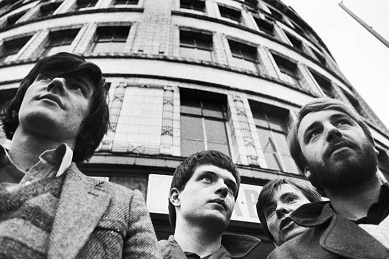
Joy Division members (left to right): Stephen Morris, Ian Curtis, Bernard Sumner, & Peter Hook. Photo Credit: Rhino Entertainment
Control stands apart from most music biopics because it refuses to turn Curtis into a simple icon or legend. Instead of building toward a triumphant performance or a tidy moral, the film lingers on the small spaces where Curtis’s life actually unfolded–small homes, rehearsal rooms, backstage hallways, and hospitals. Curtis’s epilepsy, depression, and fear of letting people down are treated as central, not as side notes. That choice gives the film a quiet, sometimes uncomfortable honesty that still feels contemporary, especially in how it handles mental health and the cost of creative pressure.
Visually, Control is unmistakable. Shot in black and white, it gives post-industrial northern England a harsh, poetic clarity with smokestacks, terraced houses, dim clubs, and washed-out skies. The style is not decorative; it mirrors Curtis’s inner world and the atmosphere of Joy Division’s music. Many viewers first discover the film through its striking still images used to generate publicity for the film, only to then find that the same photographic care runs through each frame of the film. The performances, including live renditions of Joy Division’s songs by the cast, boost the sense that the film is less a polished rock myth, and more an encounter with a particular time, place, and set of people.
When Control was released, it quickly attracted critical attention and a devoted following. It premiered at the Cannes Film Festival’s Directors’ Fortnight, earned major prizes on the festival circuit, and later collected multiple British Independent Film Awards, including recognition for the film itself, its direction, and its breakout performance by Sam Riley as Curtis. The screenplay also brought home a BAFTA award for its writer’s debut feature work. Over time, the film has come to be viewed as a benchmark for serious music biopics. It is a work that respects the music, but refuses to let the songs overshadow the person who wrote them.
Producer Orian Williams is a key reason Control exists in this form at all.
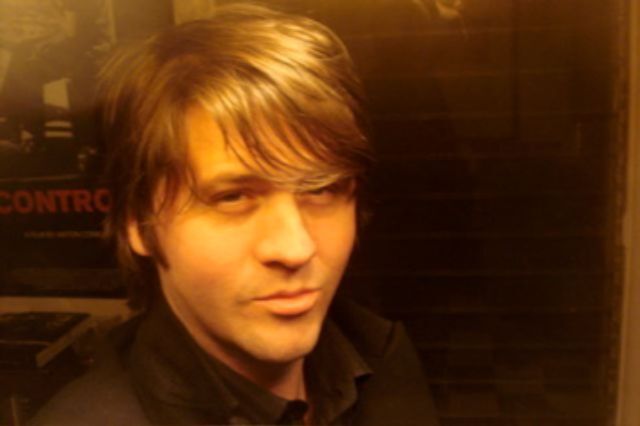
Orian Williams during release of Control. Photo courtesy LAist.
In the late 1990s, he came across Deborah Curtis’s memoir, Touching from a Distance, and immediately saw it as the basis for a film. What followed was a long, patient process–earning the trust of Deborah Curtis and the surviving members of Joy Division, assembling a creative team, and finding a director whose vision matched the book’s emotional weight. Williams was instrumental in bringing Anton Corbijn to the project, connecting Corbijn’s long-standing visual relationship with the band to the story on the page. Williams then helped steer the film through the realities of independent production–raising financing for a black-and-white period piece, coordinating location shooting in the areas where Curtis actually lived and worked, and balancing the expectations of fans, family, and financiers.
His work on Control earned him the British Independent Film Award for Best Producer and established him as a leading figure in music-driven cinema. Since then, he has continued to produce films that orbit music and cultural history, including projects about Morrissey and the influential British label, Creation Records, always with a focus on authenticity and character rather than pure nostalgia.
Curtis’ gravestone with the title of the greatest hit of Joy Division solemnly engraved. Image credit: Greenpark79 (creative commons)
Bringing Control to Joshua Tree as part of the cultural center’s Film Institute underlines what makes both the film and the Institute distinctive. The Blak Box is an intimate, high-attention space–the kind of room where sound matters, projection matters, and audiences come ready to listen. The Institute is built around the idea that films should not only be watched, but also should be discussed with the people who make them. By inviting Orian Williams to introduce the film and stay for a Q&A, the event turns a single screening into a conversation about how stories like Ian Curtis’s are found, shaped, and shared.
“Control was always meant for rooms like this one–intimate enough that you can feel the silence, and powerful enough that the music really hits you. The Blak Box’s sound system and acoustics make every detail of the performances and score come alive. Showing it here, in a community that cares deeply about both film and music, is a chance to revisit Ian’s story as something living, not just a piece of rock history.” – Orian Williams
In that setting, Control becomes more than a period piece about late-1970s Manchester or a cult favorite for Joy Division fans. It becomes an example of how cinema can preserve fragile histories, encourage honest talk about illness and creativity, and remind us that behind every mythologized artist is a human being whose life was complicated, contradictory, and finite. For audiences in Joshua Tree, seeing the film with its producer in the room is a chance to revisit a modern classic and to consider what it means to keep these stories alive on both sides of the screen.
ANNE SHOLTZ
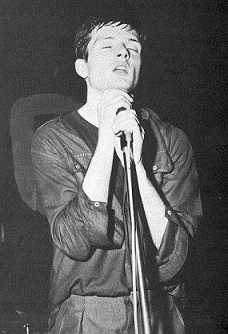
Control stands apart from most music biopics because it refuses to turn Curtis into a simple icon or legend. Instead of building toward a triumphant performance or a tidy moral, the film lingers on the small spaces where Curtis’s life actually unfolded–small homes, rehearsal rooms, backstage hallways, and hospitals.
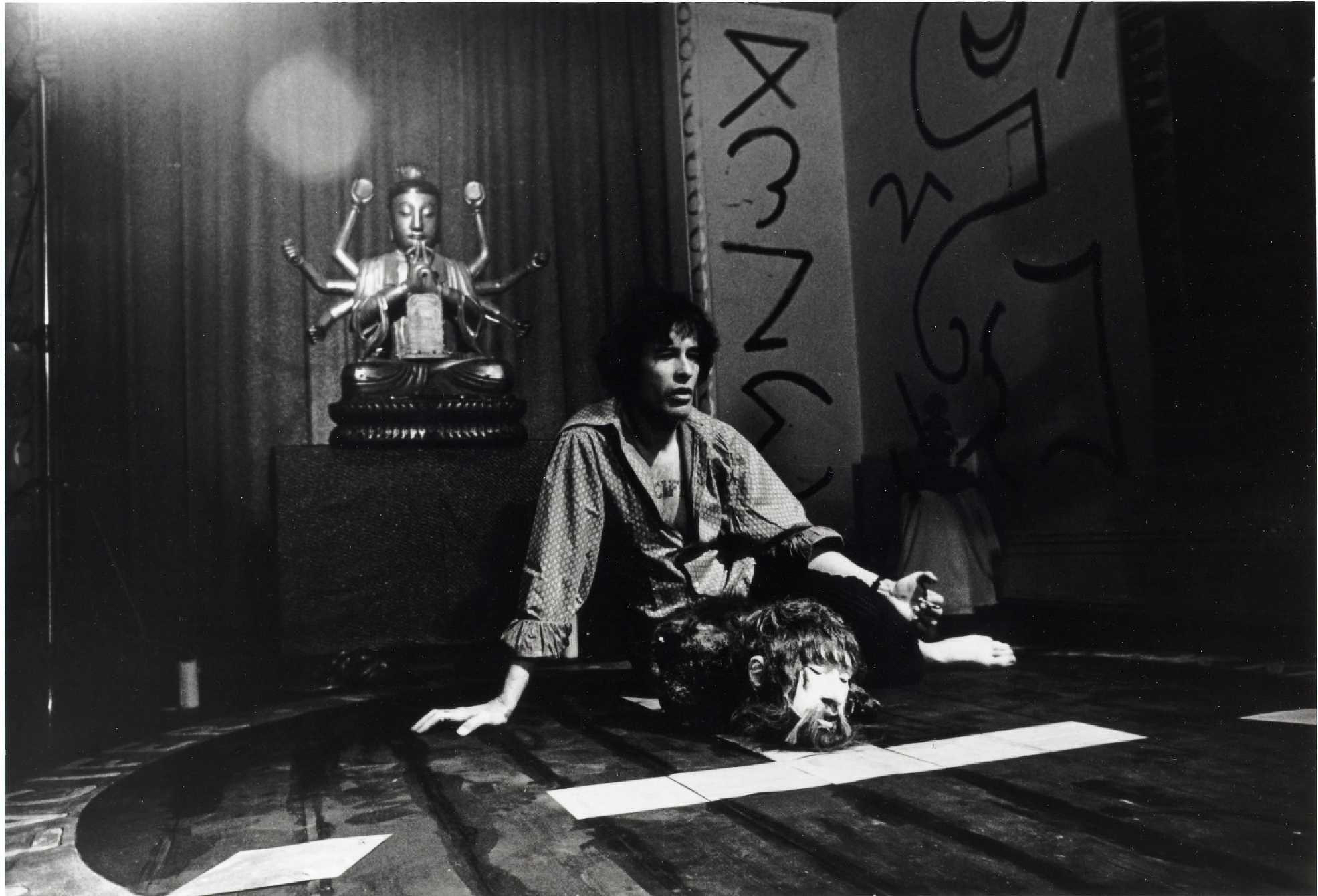
Kenneth Anger considered cinema not as storytelling but as an act of Magick in the tradition of Aleister Crowley’s “art and science of causing change in accordance with one’s will.” The film is not meant to explain itself. Its creator believed that meaning, like ritual, is experiential; it is something the viewer feels, not interprets.
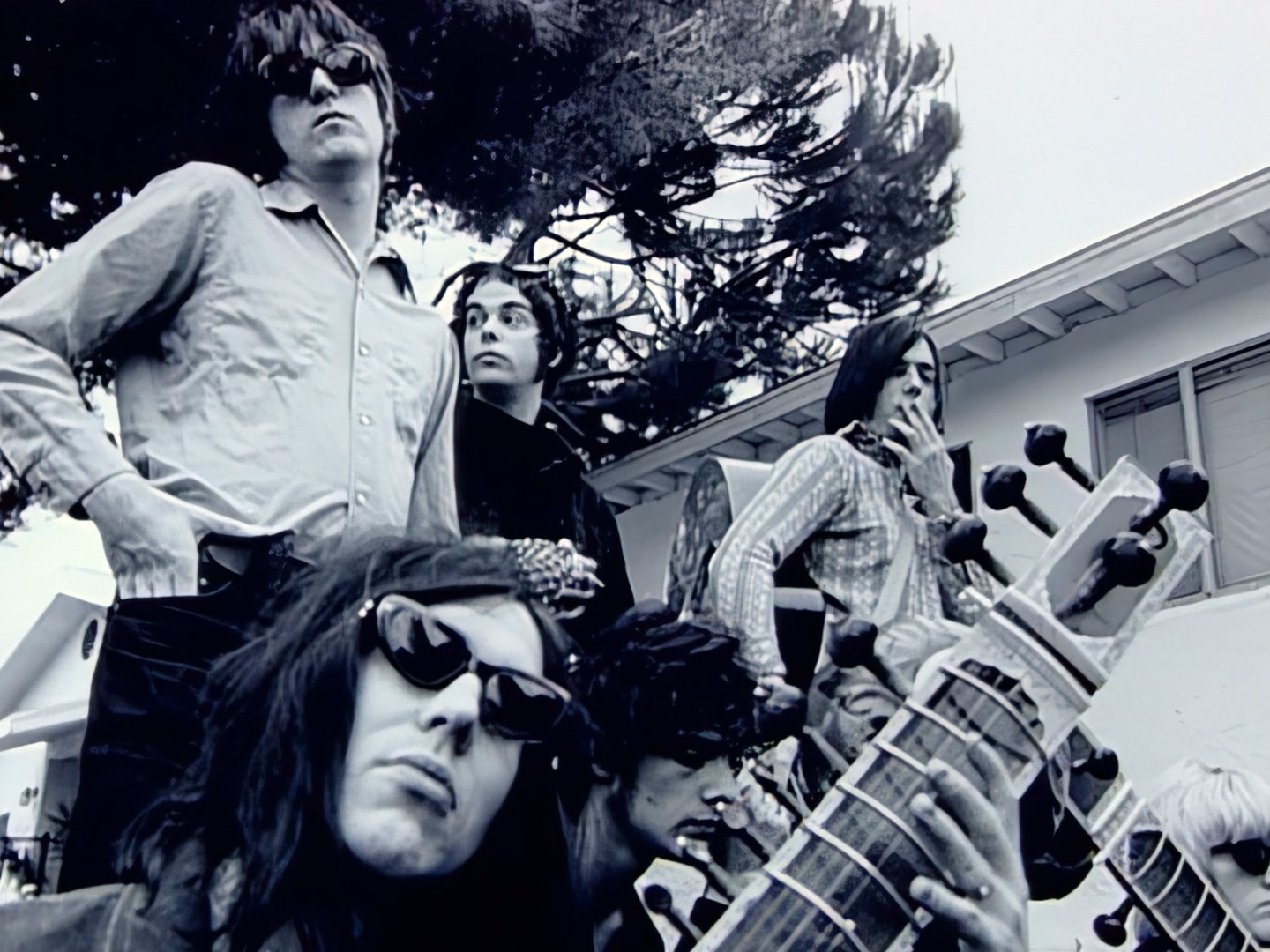
Ondi Timoner has a singular talent for capturing lighting in a bottle. Her body of work is full of indelible portraits of figures who capture a moment in time, and often they are characters that no one else would have thought to follow, or could endure following.

It’s a miracle that someone like Wadleigh wound up in charge of the massive enterprise of Woodstock, and it endures because it is the work of someone with a romantic poet’s sensibility, rather than Hollywood or Madison Avenue.

The Hi-Desert Cultural Center is proud to present a special screening of ENO, the first-ever generative documentary film in a one-night-only event featuring an introduction by Orian Williams, one of the revolutionary film’s producers.
No event found!